Arkansas News

Solar a Viable Option to Power Arkansas Poultry Farms

by George Jared (gjared@talkbusiness.net)

Springdale native Millard Berry had an idea that would transform the agriculture industry in the Natural State. In 1893, he bought an incubator to raise chicks. Four years later, he was a founding member of the Arkansas Poultry Association and started the poultry industry in Arkansas, one that pumps billions of dollars into the state’s economy and produces thousands of jobs each year, according to the Encyclopedia of Arkansas.

To support this expensive industry, scientists are constantly finding ways to reduce costs. Solar energy, net metering and grants from the U.S. Department of Agriculture (USDA) have benefited a Cleveland County poultry grower, said Yi Liang, associate professor-biological and agricultural engineering.

“Poultry farming is an energy-intensive business, with gas and electricity as major expenses,” said Liang, who works as part of the Center of Excellence for Poultry Science.

https://talkbusiness.net/2021/07/solar-a-viable-option-to-power-arkansas-poultry-farms/

PANELS — Banks of solar panels set up as part of the Boyd farm installation in Cleveland County, Arkansas. (Image courtesy Stephen Boyd)

PANELS — Banks of solar panels set up as part of the Boyd farm installation in Cleveland County, Arkansas. (Image courtesy Stephen Boyd)

Delta Variant Overrunning NEA Hospital Systems; Jonesboro Mayor Urging Vaccines

by George Jared (gjared@talkbusiness.net)

Arkansas has become one of the hot spots in the country for the spread of the Delta variant of the COVID-19 virus, and Northeast Arkansas is feeling the impact.

During the last 14 days, the number of hospitalizations in Arkansas has doubled to 687. UAMS Chancellor Dr. Cam Patterson recently told Talk Business & Politics the number of cases and hospitalizations is rising dramatically and is being fueled by the lack of vaccinations.

Patterson said the Delta variant is much more contagious, and has the potential to be more lethal. The average age of patients admitted during the last COVID-19 surge was in the 60s, but that number has dropped to people in their 40s and several patients have had to have lung and heart bypasses.

https://talkbusiness.net/2021/07/delta-variant-overrunning-nea-hospital-systems-jonesboro-mayor-urging-vaccines/

UAMS Chancellor: Hospital Full, Bed And Staffing Shortage Imminent

By ROBY BROCK / TALK BUSINESS & POLITICS

Health officials have been sounding the warning for weeks on the Delta variant of COVID-19, but it has yet to slow down the public health threat. Now, UAMS Chancellor Dr. Cam Patterson says the new strain of COVID-19 is overwhelming Arkansas’ health care system.

In a tweet Saturday, Patterson said, “The hospital @uamshealth is full. COVID-19 numbers increase every day. We are staffing inpatients in the ER and recovery room. No space for transfers. Running out of caregivers. Support health care workers. Mask up. Get vaxxed.”

Appearing on Sunday’s edition of Talk Business & Politics, Patterson said the disease is different from a year ago when the state was paralyzed by the coronavirus.

https://www.ualrpublicradio.org/post/uams-chancellor-hospital-full-bed-and-staffing-shortage-imminent

A sign directs people to a drive-thru COVID-19 testing location at UAMS.CREDIT MICHAEL HIBBLEN / KUAR NEWS

A sign directs people to a drive-thru COVID-19 testing location at UAMS.

CREDIT MICHAEL HIBBLEN / KUAR NEWS

AUDIO: Governor Hutchinson’s Weekly Address | Democracy in Action

LITTLE ROCK – Last week, I announced I would be traveling the state for a series of Community COVID Conversations, and today I’d like to talk about why these exercises in democracy matter.

The tours are a throwback to the time when community leaders and constituents had more meetings at town hall and all-day picnics.

The topic for the tour is the pandemic, but listening tours are valuable for any topic. When it comes to working through issues, nothing beats face-to-face conversations.

I have met with folks in six cities so far. Each meeting is as different as the community I am visiting, but each is alike in one way – each is democracy in action. Democracy is a big and noble concept that we can practice simply and in the smallest venues.

The goal of the Community COVID Conversation is for me to hear first-hand your concerns and ideas. Likewise, the meetings give you the chance to hear directly from me. This kind of opportunity often is the start of understanding. In the end, we still may not agree, but we may understand.

During the meeting in Batesville, one gentleman said something I’m sure he has expressed often, but this time he had the opportunity to get it off his chest directly to the governor. And I had the chance to respond directly.

He said many people aren’t taking the vaccine because they don’t trust the government.

I said, Let me ask you what advice you would give me.

Shoot straight with the people, he said. Tell them the facts.

I told him I agreed 100 percent that we must tell the truth, and the truth is that we have a deadly disease that is still killing people so we must continue to push vaccinations, the best solution to beating COVID.

Then I offered advice that he probably didn’t expect, and to be honest, I’m not sure I had ever said it exactly this way. I told him that since he doesn’t trust politicians, that he should talk to an expert that he does trust, whether it’s his doctor or someone at a medical clinic. That way, I said, you bypass the government, which can’t solve most of our problems anyway.

Another moment of democracy grew uncomfortable because it was so honest. A constituent name a couple of controversial COVID treatments and asked a doctor in the audience whether he would prescribe either.

He asked:  Are you giving (them)? 

The doctor said: No sir we are not

The constituent asked: If the patient asks for it ... will you give it?

The doctor said no patient had asked for either of the treatments.

The constituent pressed for an answer: But would you?

The doctor paused six seconds to answer. Then he answered with the courage of his training and belief: No. I probably would not.

Did either gentleman change his mind? I doubt it. But each was free to speak his mind in a moment of democracy at its most fundamental level.

Soon I will announce the next towns on the Community COVID Conversation tour. The number of cases of COVID and those hospitalized with it continues to rise, so I continue to encourage everyone to get vaccinated. I’m hopeful that as the tour continues, we will find ways to reassure those who are hesitant, and soon, the tour won’t be necessary.

Arkansas Unemployment Rate Stable at 4.4% For 3rd Straight Month, Still Lower Than National Rate

LITTLE ROCK – Arkansas’s unemployment rate remained at 4.4 percent for the third straight month, according to data from the U.S. Department of Labor, Bureau of Labor Statistics, which the Arkansas Division of Workforce Services released today. Arkansas’s unemployment rate is three and four-tenths of a percentage point lower than the national rate, which rose from 5.8 percent in May to 5.9 percent in June.

“Our 4.4 percent unemployment rate continues to be significantly below the national rate of 5.9 percent,” Governor Hutchinson said today. “In fact, the national rate has been moving in the wrong direction. While employers are searching for workers to keep their businesses in operation or to expand, the shortage of workers reflects a hesitancy of some to return to the workforce. This hesitancy should diminish in the coming months as federal stimulus money slows, and our workers transition from training into full employment.”

Extension Homemakers Club on Health

Submitted by: Janet Cantrell, CEA-FCS

Phone: (870) 584-3013

Did you know being social is good for your health?

Research has found that being socially active is as equally healthy as quitting smoking or exercise. In a study published in the journal PLoS Medicine, BYU professors Julianne Holt-Lunstad and Timothy Smith report people with stronger social relationships had a 50% increased likelihood of survival than those with weaker social relationships.

"When someone is connected to a group and feels responsibility for other people, that sense of purpose and meaning translates to taking better care of themselves and taking fewer risks," Holt-Lunstad said.

"This effect is not isolated to older adults," Smith said. "Relationships provide a level of protection across all ages."

Extension Homemakers Club (EHC) members not only benefit from being socially active, they also gain knowledge and skills through monthly program topics, special interest workshops and project activities. Members come up with ideas for programs, which are developed cooperatively with the Extension agent to meet interests. Education is a character builder! A lifelong process that is never finished. Arkansas Extension Homemakers Council (AEHC) members keep up-to-date in these rapidly changing times through lessons on all phases of family living and special interest topics presented by speakers, educators and other club members.

In addition to being social and educated, they also give back to their community by choosing a yearly volunteer service project according to their interests.

And, of course, we like to have fun, too!

EHC members are just like you! They work, shop, and sit next to you at ballgames. They like to learn everything from A to Z to better themselves for their families, neighborhoods, and for their community. They are young and old, men and women, working or retired. They come from diverse backgrounds and a rich history. They’ve come a long way from the home demonstration era of the 1900's.

Gather your friends and give us a call. We currently have two clubs that would love to have new members, but we would be happy to start a new club just for you and your friends! Their meeting schedules are:

DeQueen EHC - 2nd Wednesday each month - REA Building in DeQueen at 9:30 a.m.

Gillham EHC – 2nd Friday each month - members’ homes in Gillham at 2:00 p.m.

For more information, please contact Janet Cantrell, Sevier County Extension Agent-Family and Consumer Sciences at 870-584-3013 or jcantrell@uada.edu.

The University of Arkansas System Division of Agriculture offers all its Extension and Research programs and services without regard to race, color, sex, gender identity, sexual orientation, national origin, religion, age, disability, marital or veteran status, genetic information, or any other legally protected status, and is an Affirmative Action/Equal Opportunity Employer.

Fall Armyworms Appearing in High Numbers in Arkansas pastures

TRUE ARMYWORM - A key characteristic of true armyworm larvae is a brown net-like pattern on the head.

TRUE ARMYWORM - A key characteristic of true armyworm larvae is a brown net-like pattern on the head.

Media contact: Mary Hightower          mhightower@uada.edu               501-671-2006

July 15, 2021

Fall armyworms appearing in high numbers in Arkansas pastures

By Mary Hightower
U of A System Division of Agriculture


Fast facts

  • High numbers of armyworms seen

  • February’s deep freeze had little impact on populations

  • Cattle producers should scout in the field

 FAYETTEVILLE, Ark. — The fall armyworms surging through Arkansas pastures and lawns apparently don’t understand the concept of a killing freeze.

Like the old saw, this army travels on its stomach, and searches for tender plants to eat. The armyworms can often render a lush pasture nearly barren in a day.

“Right now, we’re seeing populations well above treatment thresholds in southern, southwestern and western Arkansas from Mena into Fort Smith and Van Buren,” said Kelly Loftin, extension entomologist for the University of Arkansas System Division of Agriculture. “We’re seeing reports in north-central regions like Cleburne County over into Greene County.”

Numbers have been increasing each week for the last 2 1/2-3 weeks. Fall armyworm catches have been highest in the following:

  • heavily fertilized Bermudagrass hay fields

  • irrigated Bermudagrass hay fields

  • hay fields where Signalgrass is present

  • newly planted bermudagrass and crabgrass fields

“It’s a pretty intense year,” he said. “It’s a shocker.”

The deep freeze that took over much of Arkansas, Texas and other parts of the South back in February should’ve put the kibosh on fall armyworms.

“Armyworms overwinter as adults in south Texas,” Loftin said. “If we look at the temperatures we had in February, we would’ve expected more winter mortality.”

"Because of the extended rains during the spring, many ranchers had both quantity and quality issues in their first cutting of hay, making it all the more imperative to protect what’s left in meadows and pastures, for future grazing or cutting,” he said.

Scout pastures

John Jennings, professor and extension forage specialist for the Division of Agriculture, said lots of infestations are being reported.

“Often the armyworm moths are attracted to the most tender growing forage, so new growth on recently cut hay fields, well-managed pastures and newly planted summer forages like millet, sorghum/sudan, and crabgrass are at greatest risk,” he said.

Damage from small armyworms often shows up as light-colored grass tips similar to frost or as small patches of green tissue missing from the leaf surface called windowpane feeding. Damage from larger worms is more obvious with leaves and young stems being eaten.

“Producers should scout all fields closely with in-field observations and not from the pickup windshield,” Jennings said.

Find additional information at the extension armyworm page; https://www.uaex.edu/farm-ranch/pest-management/insect/armyworms.aspx

Download the fact sheets: “Managing Armyworms in Pastures and Fields,” https://www.uaex.edu/publications/pdf/FSA-7083.pdf and “Fall Armyworm Recognition and Management” at https://bit.ly/3wFGKen.

To learn about extension programs in Arkansas, contact your local Cooperative Extension Service agent or visit www.uaex.uada.edu. Follow us on Twitter and Instagram at @AR_Extension. To learn more about Division of Agriculture research, visit the Arkansas Agricultural Experiment Station website: https://aaes.uark.edu. Follow on Twitter at @ArkAgResearch. To learn more about the Division of Agriculture, visit https://uada.edu/. Follow us on Twitter at @AgInArk.

About the Division of Agriculture

The University of Arkansas System Division of Agriculture’s mission is to strengthen agriculture, communities, and families by connecting trusted research to the adoption of best practices. Through the Agricultural Experiment Station and the Cooperative Extension Service, the Division of Agriculture conducts research and extension work within the nation’s historic land grant education system.

The Division of Agriculture is one of 20 entities within the University of Arkansas System. It has offices in all 75 counties in Arkansas and faculty on five system campuses.

The University of Arkansas System Division of Agriculture offers all its Extension and Research programs and services without regard to race, color, sex, gender identity, sexual orientation, national origin, religion, age, disability, marital or veteran status, genetic information, or any other legally protected status, and is an Affirmative Action/Equal Opportunity Employer.

USDA Confirms Box Tree Moth and Takes Action to Contain and Eradicate the Pest

The U.S. Department of Agriculture’s Animal and Plant Health Inspection Service (APHIS) has confirmed the presence of box tree moth, Cydalima perspectalis, in the continental United States and is taking action alongside state partners and industry to contain and eradicate the invasive pest that was imported on nursery plants shipped from Ontario, Canada.

The box tree moth can significantly damage and potentially kill boxwood plants if left unchecked. Between August 2020 and April 2021, a nursery in St. Catharines, Ontario shipped boxwood (Buxus species) that may have been infested with box tree moth to locations in six states—25 retail facilities in Connecticut, Massachusetts, Michigan, New York, Ohio, and South Carolina—and a distribution center in Tennessee. At this time, the pest has been identified in three facilities in Michigan, one in Connecticut, and one in South Carolina, and APHIS is working with state plant regulatory officials to determine whether other facilities may be impacted.

On May 26, 2021, APHIS issued a Federal Order to halt the importation of host plants from Canada, including boxwood (Buxus species), Euonymus (Euonymus species), and holly (Ilex species). In addition, APHIS is coordinating closely with the affected States to:

  • Find and destroy the imported plants in the receiving facilities

  • Trace imported plants that were sold to determine additional locations of potentially infected boxwood

  • Provide box tree moth traps and lures for surveys in the receiving facilities and other locations that received potentially infected boxwood

  • Prepare outreach materials for State agriculture departments, industry, U.S. Customs and Border Protection Agriculture Specialists stationed along the Canadian border, and the public.

These immediate measures are focused on protecting the economic viability of the thriving U.S. boxwood industry as well as nurseries and other establishments that sell these plants wholesale and direct to consumers.

The box tree moth is native to East Asia and has become a serious invasive pest in Europe, where it continues to spread. In 2018, it was found in the Toronto area of Canada. The caterpillars feed mostly on boxwood and heavy infestations can defoliate host plants. Once the leaves are gone, larvae consume the bark, leading to girdling and plant death.

Members of the public can prevent the box tree moth from spreading. Please allow State or Federal agricultural officials to inspect your boxwood trees and place an insect trap if they visit your home. If you bought a boxwood plant within the last few months, please inspect it for signs of the box tree moth and report any findings to your local USDA office or State agriculture department.

De Queen Lions Club Guest Speakers from Youthbuild Program at UA Cossatot

Leslie Daniels, case manager, and Andy Tody, new construction trainer, of Youthbuild were the guest speakers at Tuesday's Lions Club meeting in De Queen. Youthbuild is now enrolling. The deadline is August 19th, and the start date is August 23, 2021. Call or text Leslie Daniels at (870)584-1153.

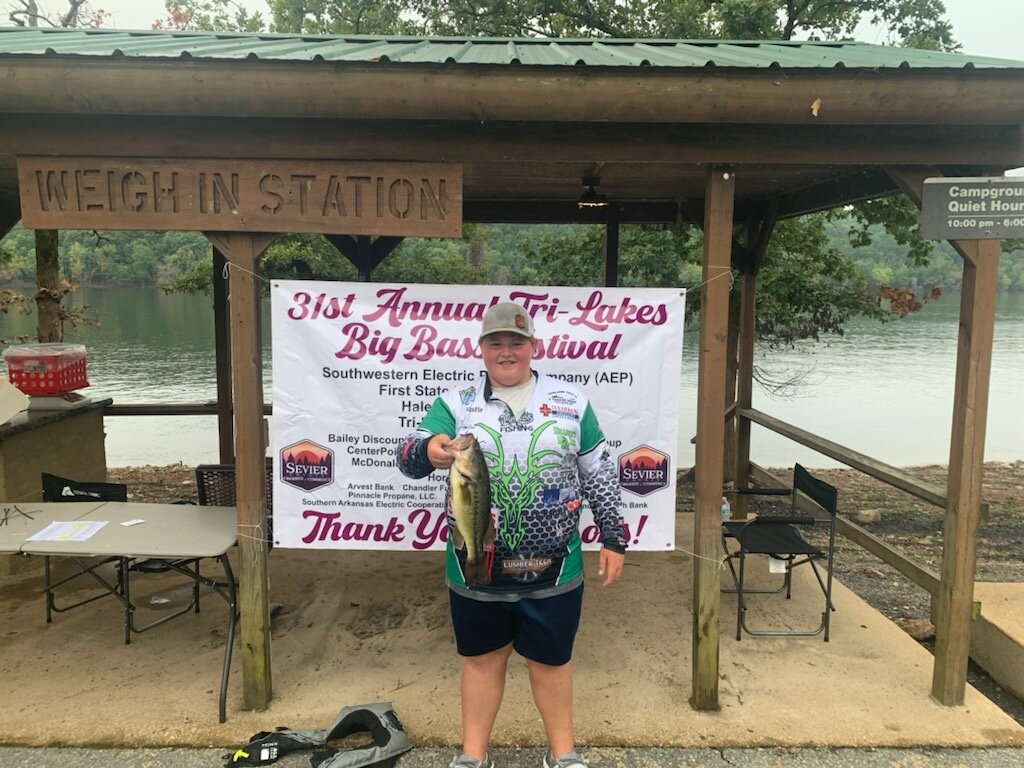
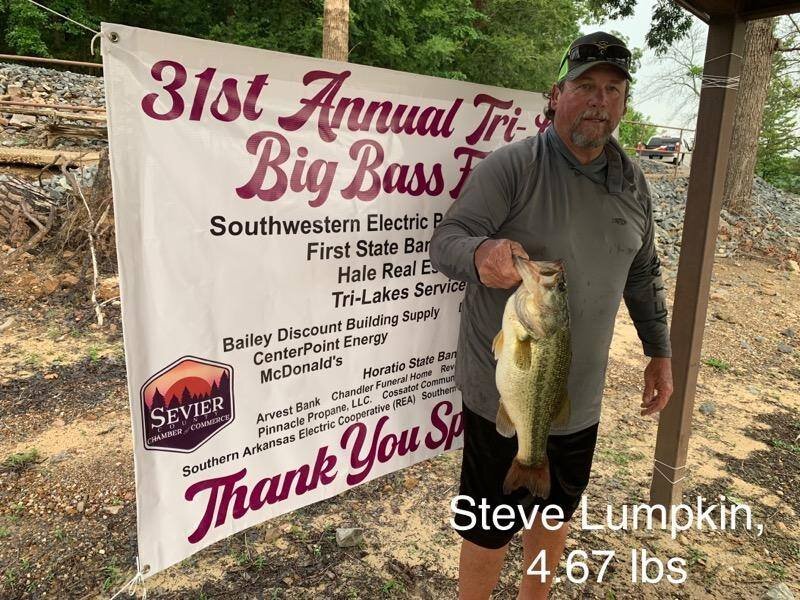
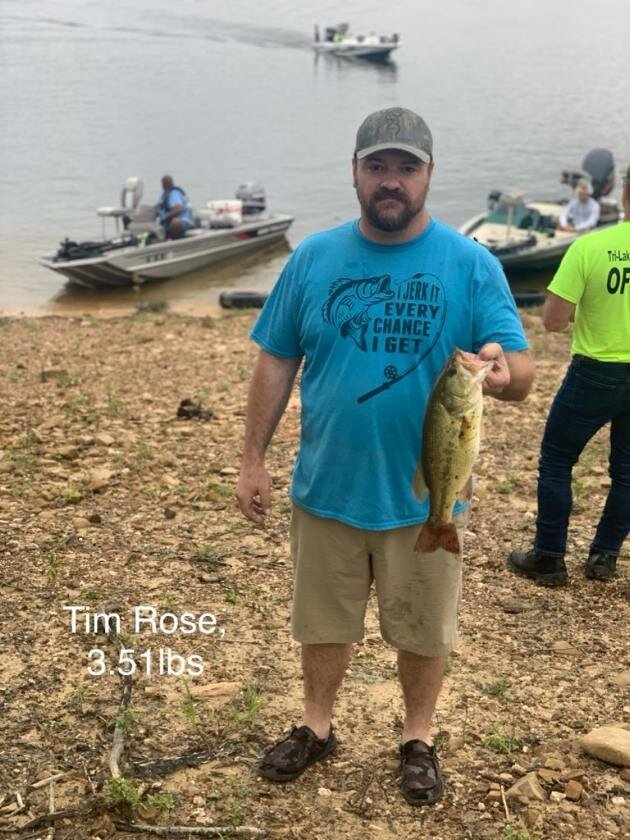
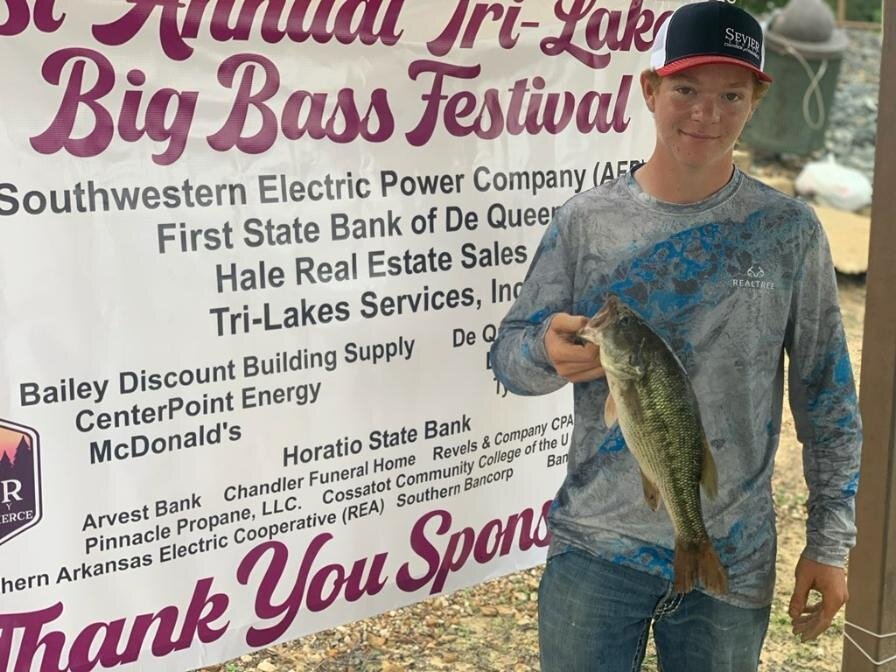
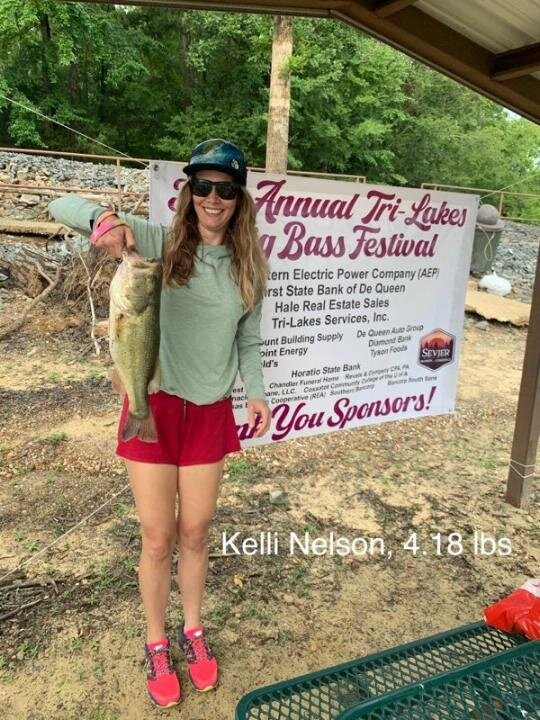
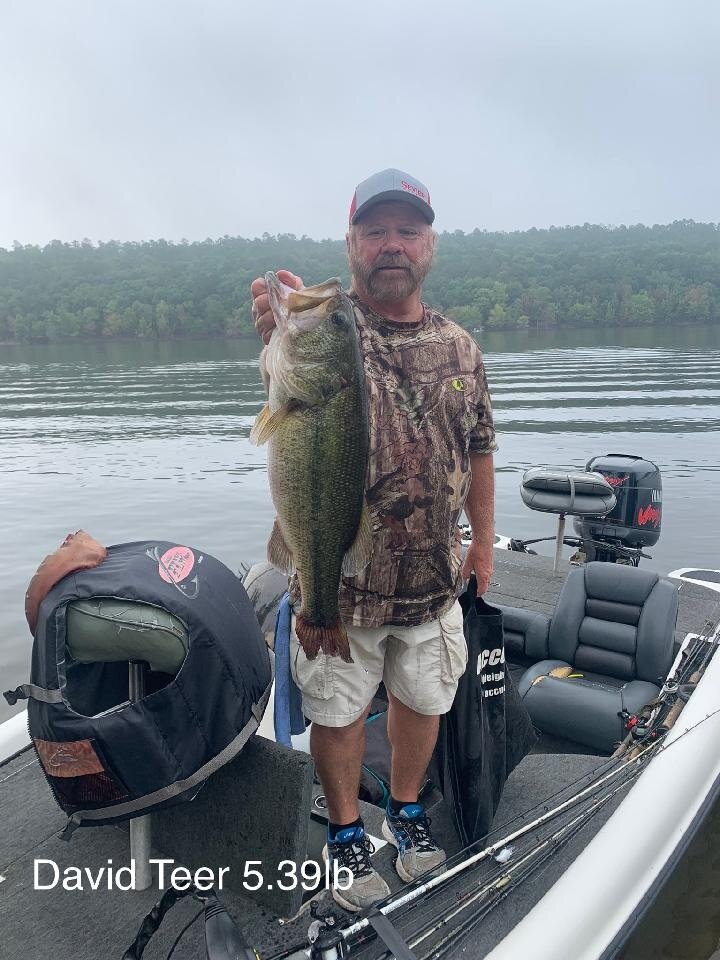
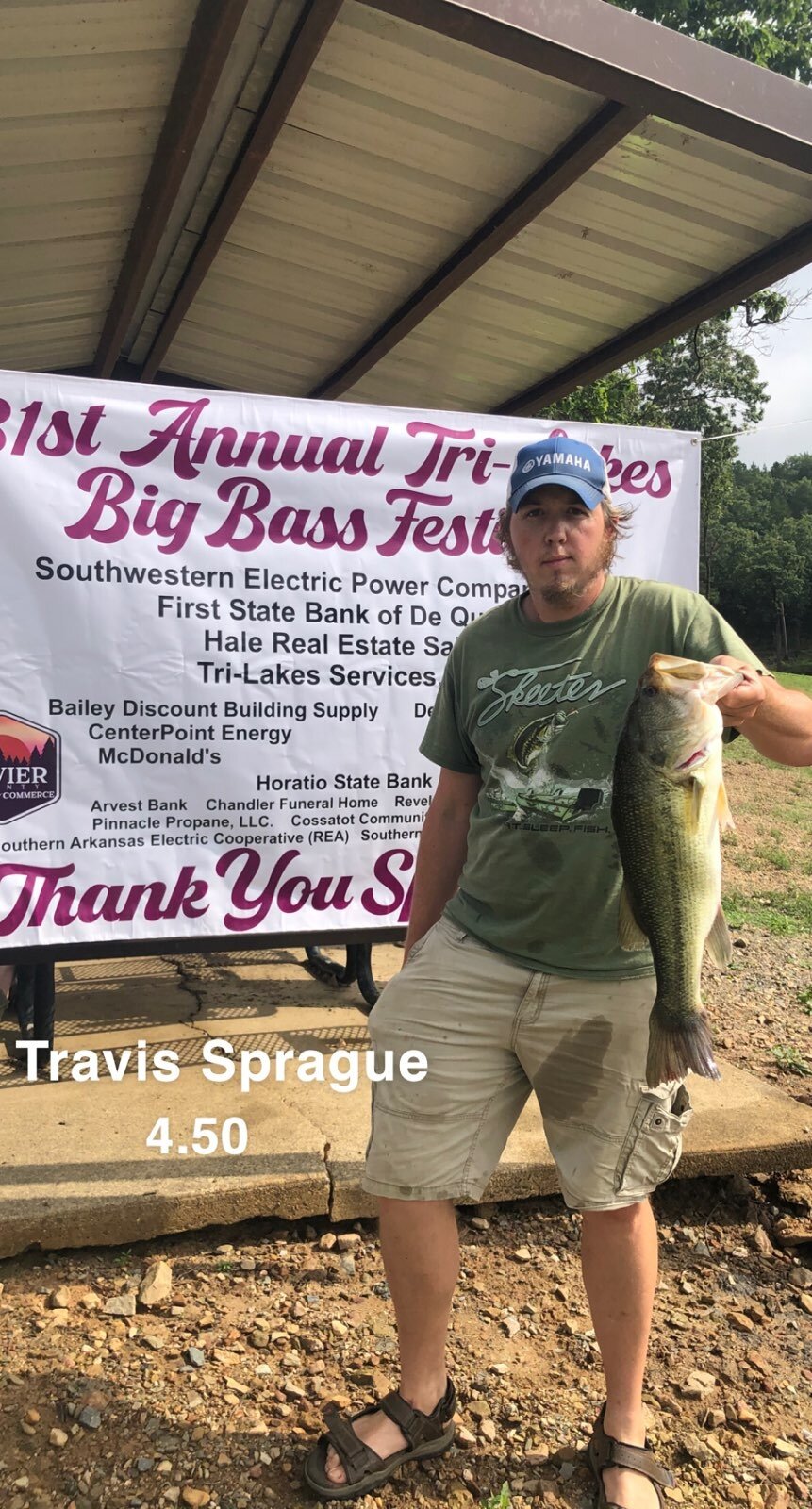
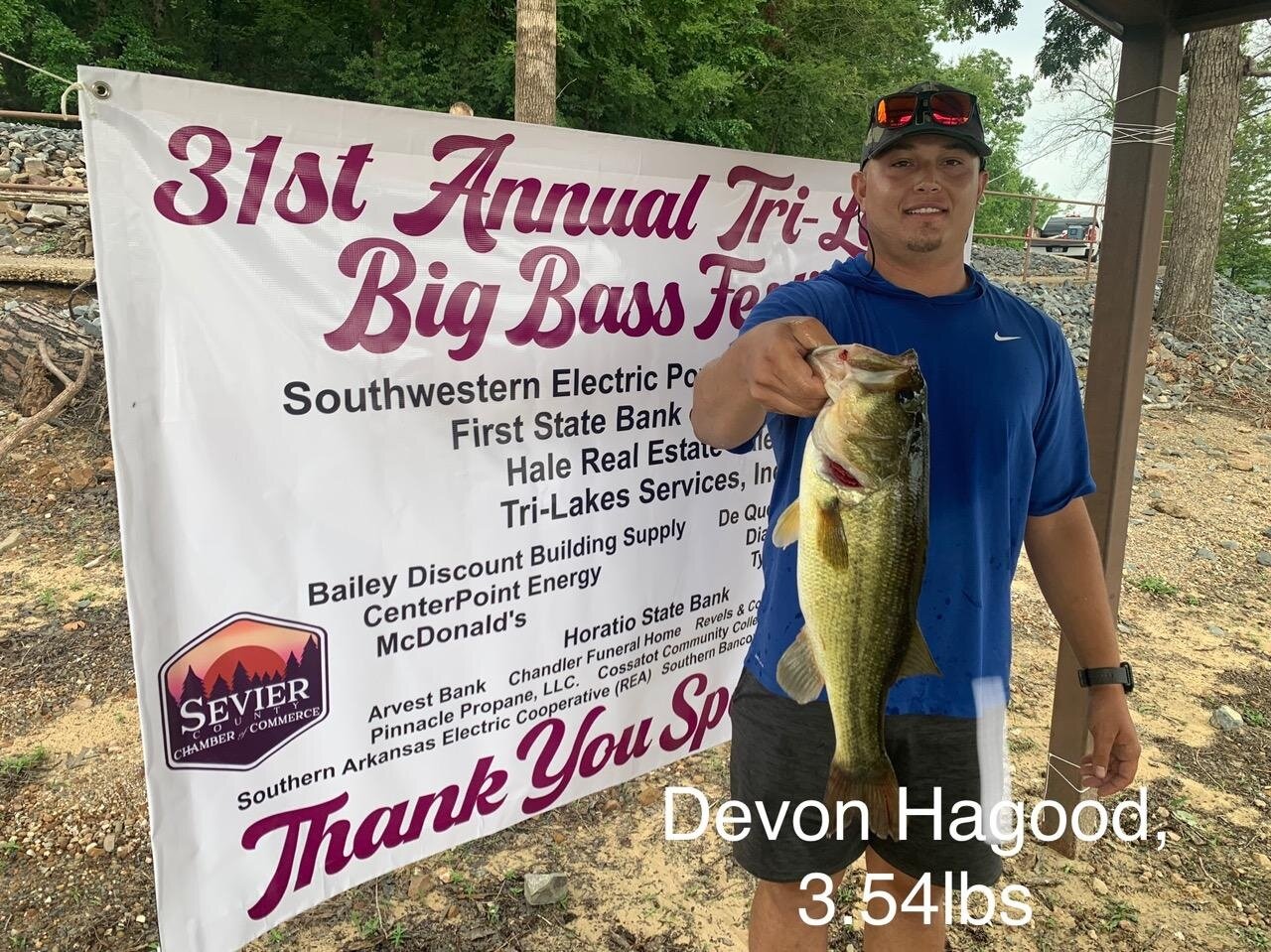
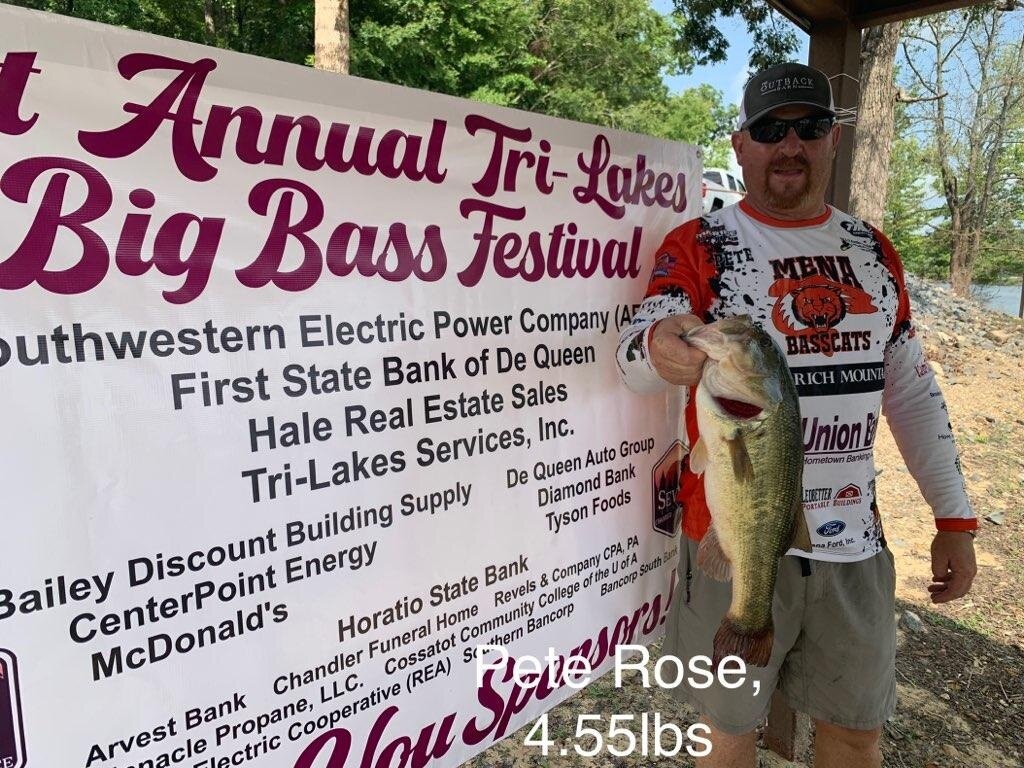
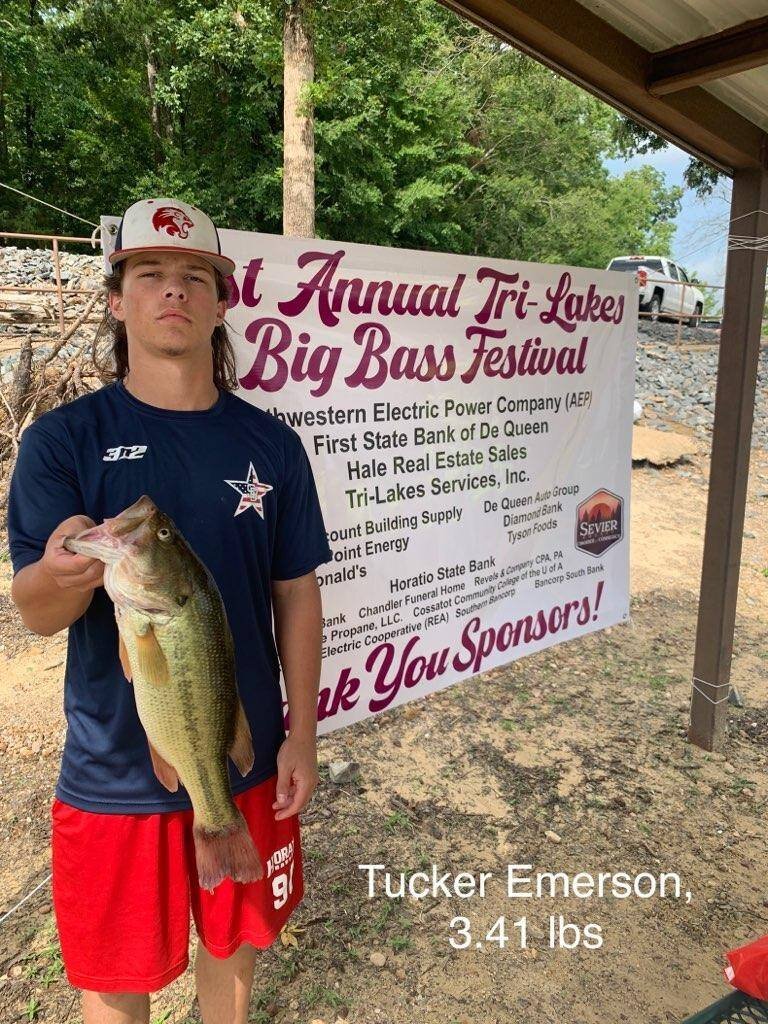
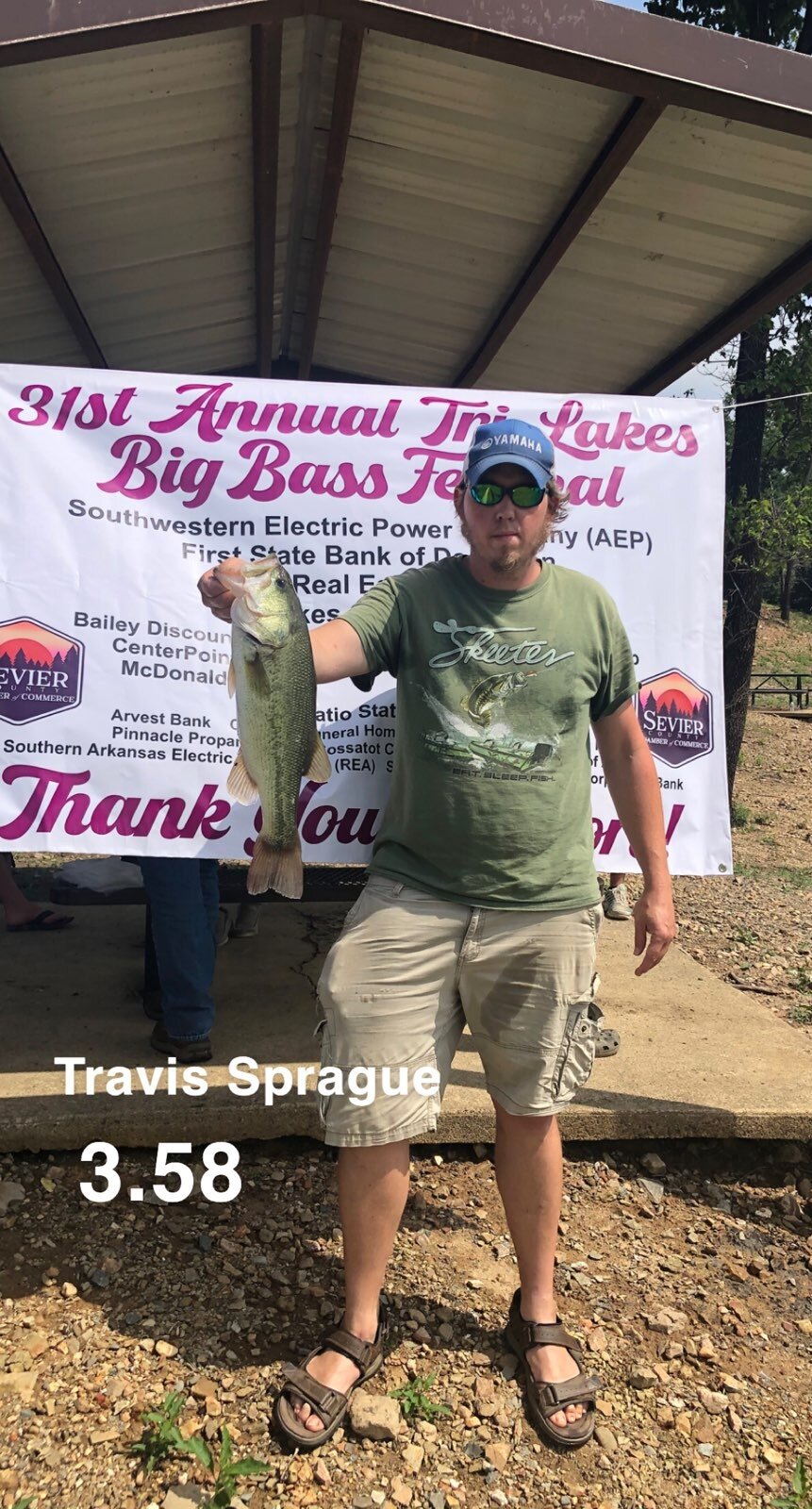
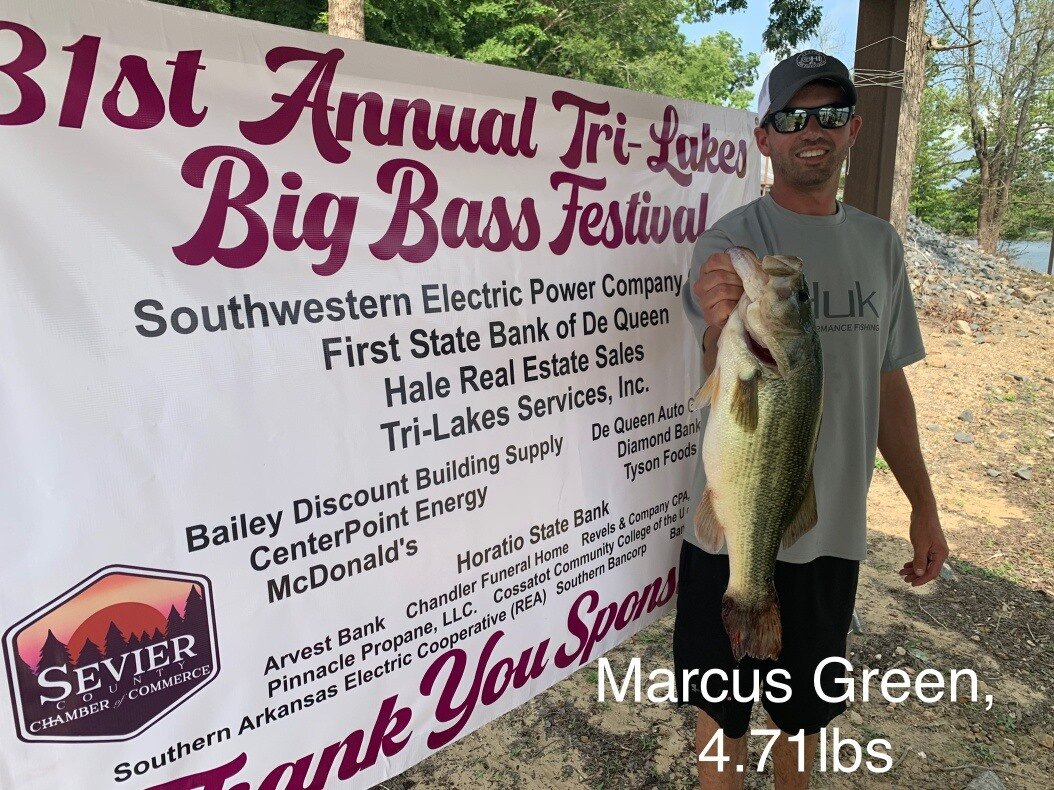
Photos: Sevier County Chamber of Commerce Tri-Lakes Big Bass Festival in SW AR

The Sevier County Chamber of Commerce hosted the annual Tri Lakes Big Bass Festival in SW AR on Saturday, July 17 on De Queen, Dierks and Gillham Lakes. Chris McKinney of Hot Springs took home the grand prize.

ACLU Of Arkansas Through Lawsuits, Hope To Stop Two Laws Before They Go Into Effect

By SARAH KELLOGG

The deadline for when most laws passed during the 2021 Arkansas Legislative session officially go into effect is fewer than 15 days away. However, some bills are facing legal challenges that could strike them down before become law.

The ACLU of Arkansas filed two lawsuits against two bills passed by the Arkansas legislature this past session. Holly Dickson, executive director of the ACLU of Arkansas says these two bills, one a ban on the practice of abortion with few medical exceptions and the other bill that blocks Arkansas transgender youth from accessing transition related care, threaten the health of Arkansans. According to Dickson, a hearing on the lawsuit concerning transgender healthcare is scheduled for next week, while a decision on the abortion ban bill could come at any time.

https://www.ualrpublicradio.org/post/aclu-arkansas-through-lawsuits-hope-stop-two-laws-they-go-effect

Laws passed during the Arkansas Legislative Session without an emergency clause do not go into effect until 90 days after the legislature adjourns. For laws passed in the 2021 Legislative Session, that day is less than 15 days away.CREDIT MICHAEL HIBBLEN / KUAR NEWS

Laws passed during the Arkansas Legislative Session without an emergency clause do not go into effect until 90 days after the legislature adjourns. For laws passed in the 2021 Legislative Session, that day is less than 15 days away.

CREDIT MICHAEL HIBBLEN / KUAR NEWS

VIDEO: "What's Up, Doc?" with Dr. Randy Walker

This week on "What's Up Doc?", Dr. Randy and Cody Gallagher of Pilgrim's Pride announce a new partnership between Pilgrim's and the Walker Clinic that will enable Pilgrim's employees and their families to save money on healthcare.

Kathy Beavert Honored at UA Cossatot Board of Visitors Meeting

The UA Cossatot Board of Visitors said goodbye to outgoing chairperson Kathy Beavert at their July meeting in Lockesburg on Monday. Beavert has served on the board for 21 years and was presented an award from UAC Chancellor Dr. Steve Cole. New officers for the coming year are:

Jimmy Tumey - Chairman

Tim Pinkerton - Vice Chairman

Angie Walker - Secretary

Wednesday COVID-19 SW Arkansas Active Cases and Vaccinations Update from the Arkansas Department of Health

Active Cases Data for Sevier County
Total Active Cases: 22

Active Cases Data for Howard County
Total Active Cases: 11

Active Cases Data for Little River County
Total Active Cases: 10

Active Cases Data for Polk County
Total Active Cases: 16

Active Cases Data for Pike County
Total Active Cases: 19

Weekly Update from State Representative DeAnn Vaught

Arkansans know that no summer barbecue is complete without fresh watermelon. Our state may not be the largest producer of watermelon, but Arkansas communities lay claim to being the home of the world’s largest and the world’s sweetest. 

The month of July is known as National Watermelon Month. July is typically the largest shipping month of the year, with over 15 states harvesting simultaneously. 

The United States currently ranks 7th in the worldwide production of watermelon. Over 1,200 varieties of watermelon are grown across 96 countries worldwide. But the impact the crop has on communities here in Arkansas has been a cause for celebration for decades.  

In Arkansas, we have more than 200 farms harvesting more than 1,500 acres of watermelons. Crops are valued at more than $5 million. 

The city of Hope annually celebrates its claim as the home of the world’s largest watermelons with a yearly watermelon festival. The event first originated in 1926 and has been ongoing, though not continuous, since 1977. 

And since 1980, the residents of Cave City have been coming together to celebrate the "World's Sweetest Watermelons" and reconnect with family and friends. Now, in its 40th year, the watermelon festival is the largest festival in the region. 

Researchers are now finding out that watermelons are even more nutritious than previously known. The USDA's Agricultural Research Service recently identified over 1,500 small molecules of diverse chemical characters in the fruit, known as phytochemicals. They concluded that eating watermelon is an excellent way to increase your intake of antioxidants, non-protein amino acids, and lycopene. This means that every time you eat watermelon, you’ll be improving the health of your cells, organs, and nervous system. 

In addition to farmer’s markets and fruit stands across the state, you can find Arkansas watermelons and any Arkansas grown produce at supermarkets by looking for the “Arkansas Grown” label. The “Arkansas Grown” logo is a registered trademark of the Department filed with the Arkansas Secretary of State. It may appear in black and white or black and green versions.

 We’ve posted more information, including recipes and expert tips on finding the perfect watermelon, on our website www.arkansashouse.org.